pick a theme
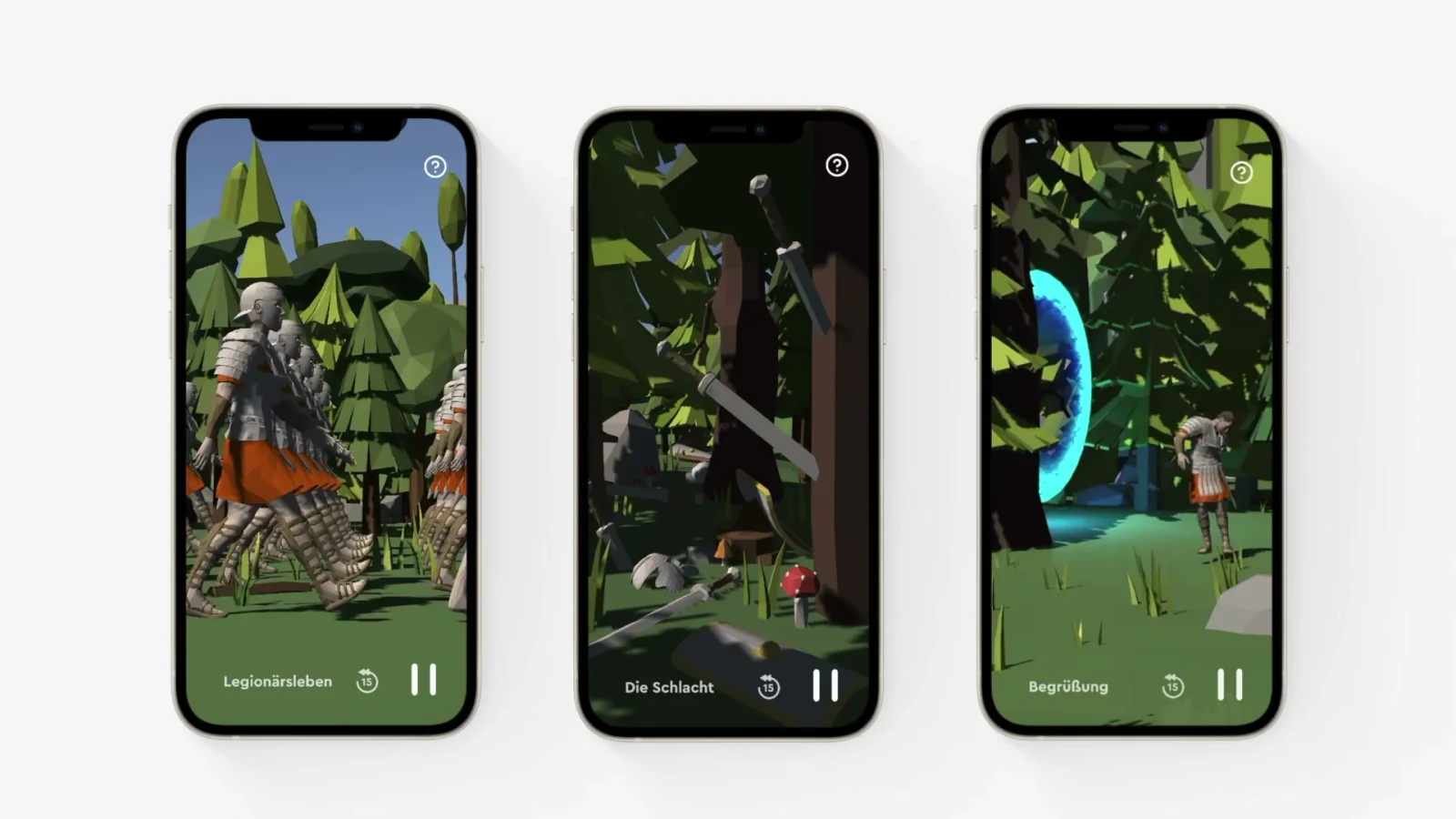
A space for experiments and curious detours


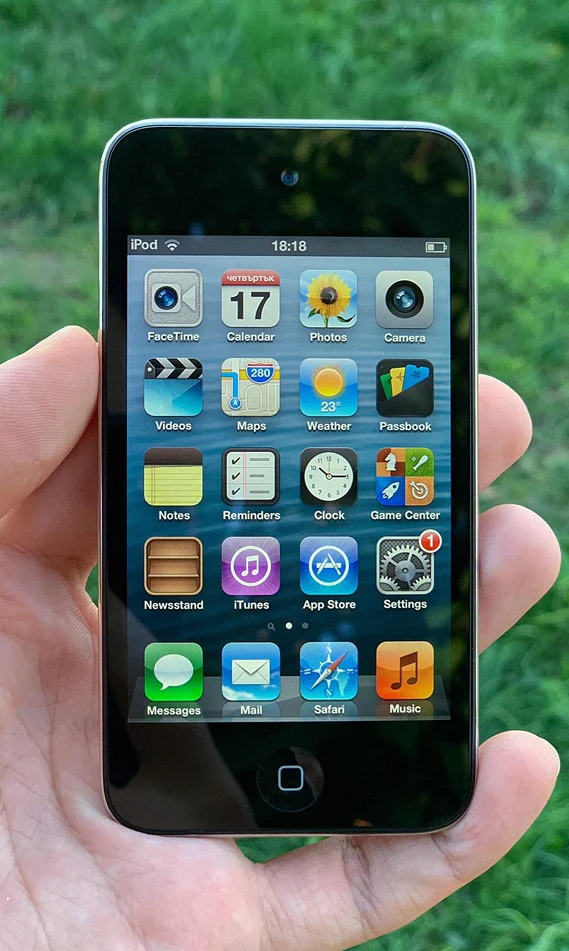
My first iPod Touch
The device that introduced me to personal computing and the internet.
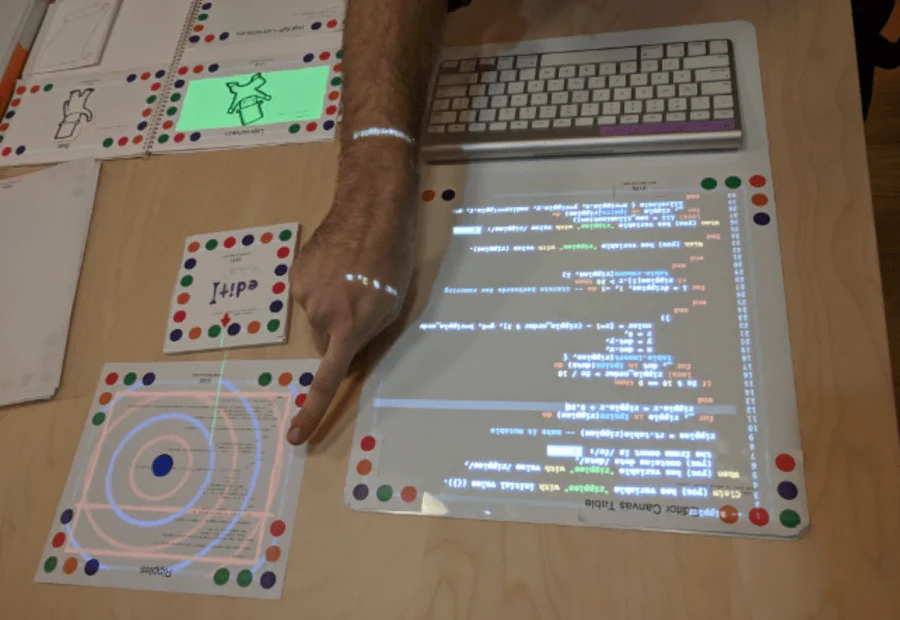
Dynamicland
Bret Victor's vision of a communal computer. A place where computation lives in the physical world rather than behind screens.
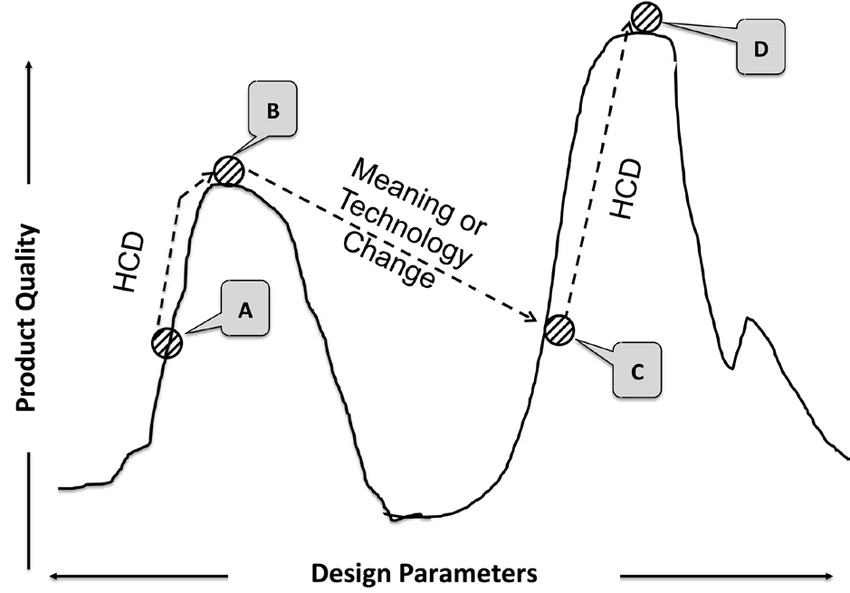
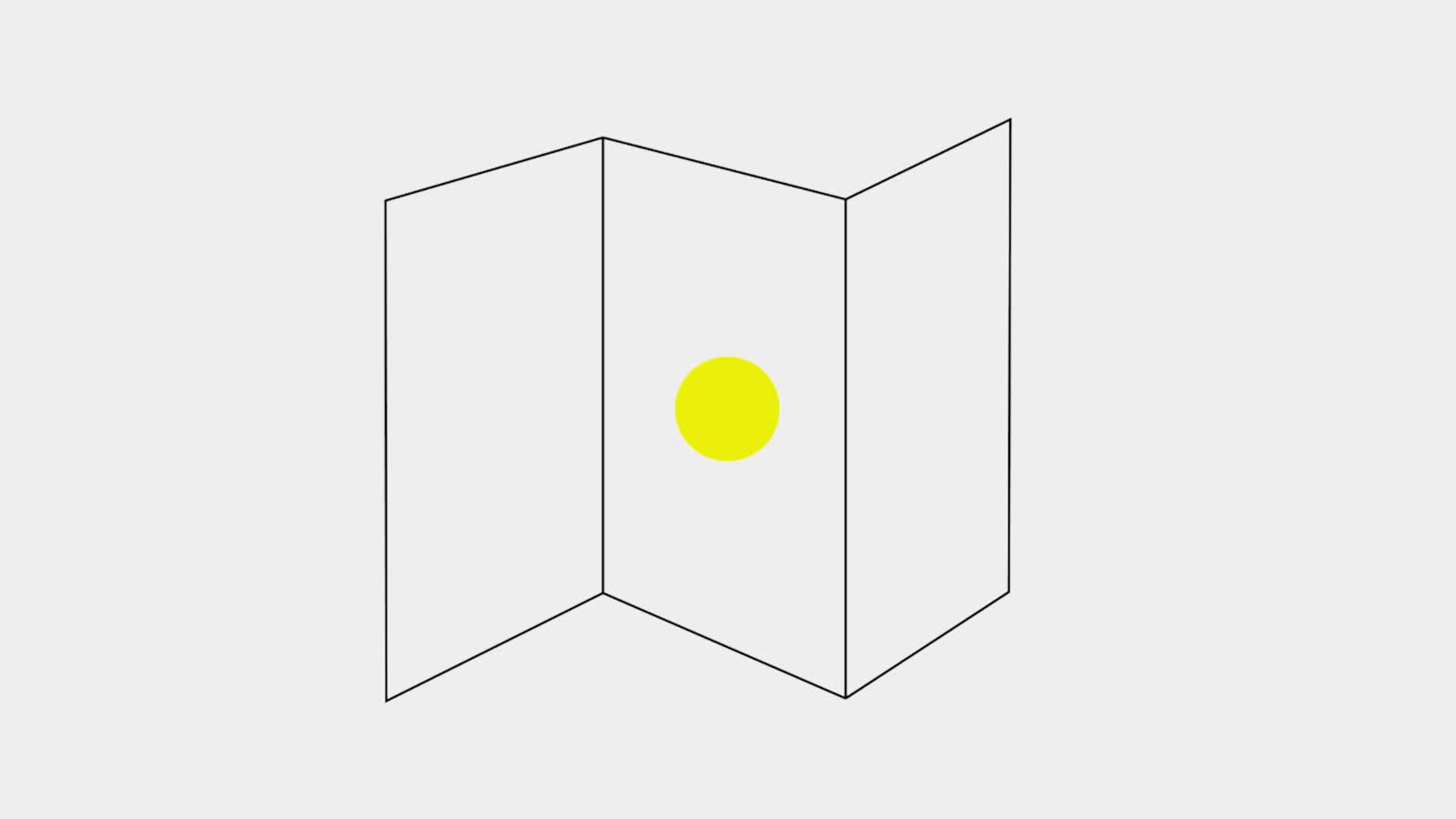
The Hill Climbing Metaphor
A framework by Norman and Verganti that changed how I think about design-driven innovation.
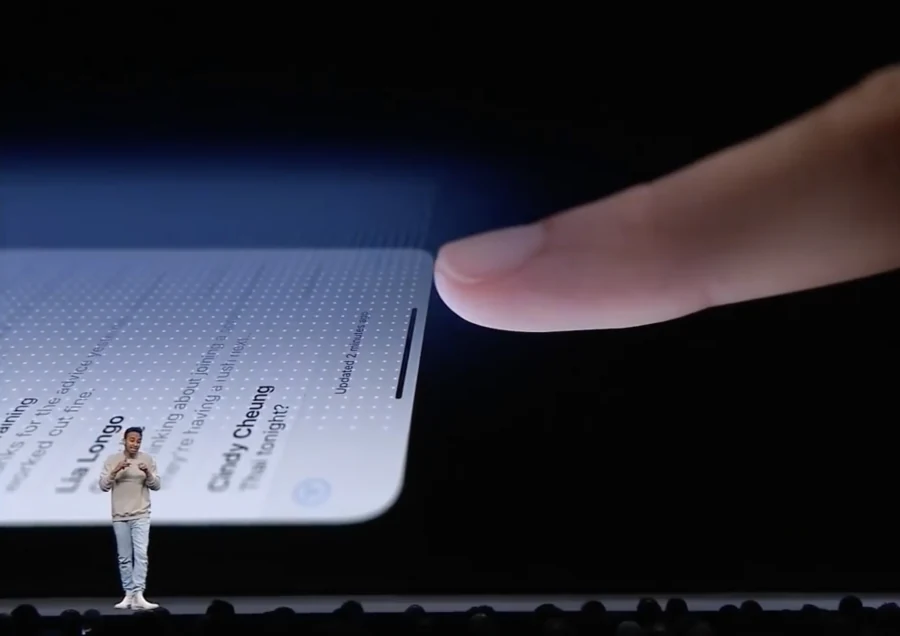
WWDC Talk: Fluid Interfaces
The talk that convinced me to study interaction design. It's about the fundamentals of interface design that shape how technology feels.
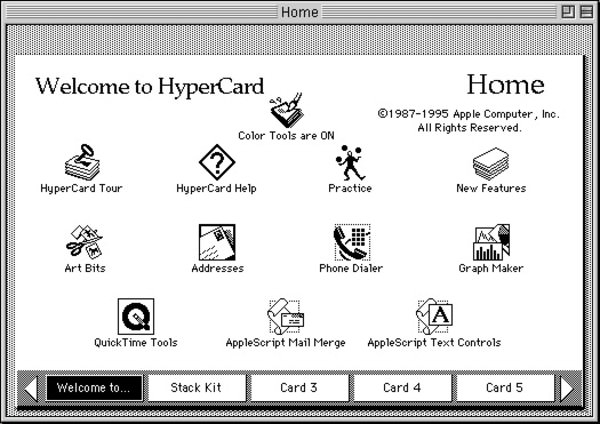
HyperCard
Bill Atkinson's powerful yet accessible tool to build interactive software without code.
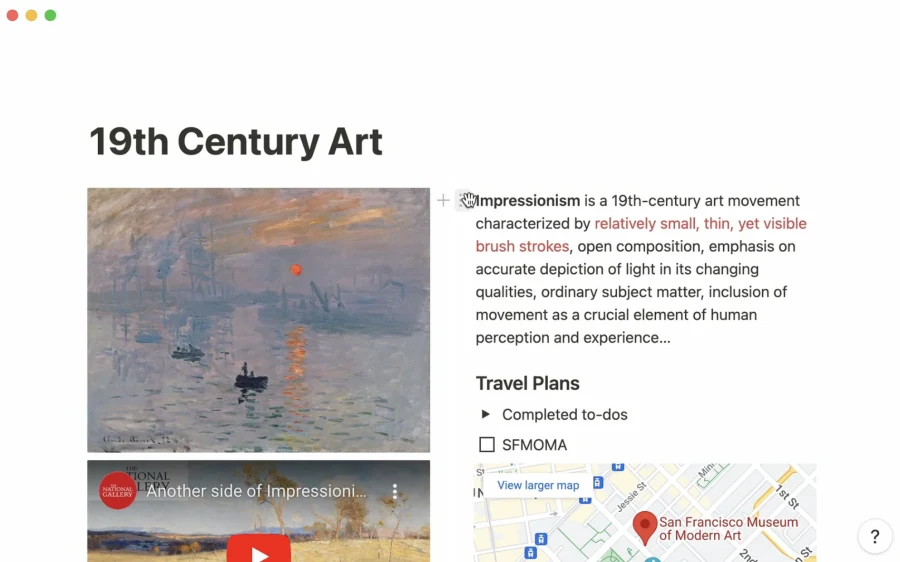
Notion Blocks
Rethinking taking notes from the bottom up through primitives and new abstractions.
X: 0px | Y: 0px
A small collection of ideas that shape my work
Hover and click to explore
Hi, I am Tim.
As an Interaction Designer, I create interfaces between people and technology that shape what we are
able to think and do. I see design as a combination of “technology, cognitive science, human need
and beauty to produce something that the world didn't know was missing”[1].
Currently, I work as a UX Consultant at
Netlight. Some other areas of interest include:
- Play as a design approach: The tools I keep coming back to are the ones that invite tinkering and fidgeting as a way of thinking. Play often seems inefficient, yet it's fundamentally human (homo ludens). How can play become a deliberate design choice for supporting cognitive engagement?
- Malleable software: Software becomes more personal when people can shape it, but complete freedom can become overwhelming. How much should be designed and opinionated by default, and how much should be left for people to make their own?
- Tools for Thought: Every interface shapes how we think. The challenge is that every representation also emphasizes some possibilities while hiding others. How can we design tools that enable thinking without fixating it?
- Radical innovation: Human-centered design is good for improving what people already know and desire. Design-driven innovation happens by questioning the existing understanding and not through iterating within an existing framing. Where should design listen to users and where should it deliberately move beyond them?
If any of this resonates, feel free to reach out via tim@timmilwa.com or LinkedIn.